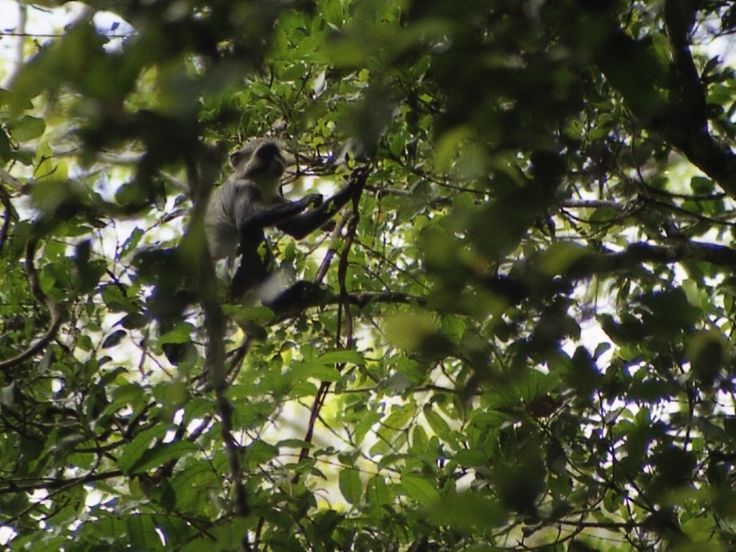
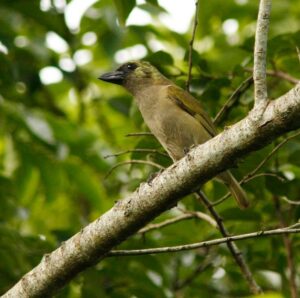
Kenya offers Africa in a nutshell, from the soda-encrusted, flamingo-filled Rift Valley lakes to alpine Mt. Kenya and the western lowland forests at Kakamega. These habitats, combined with bird-rich savannas, Tsavo’s semi-deserts, Sokoke’s coastal forests, and of course, the parks that make it the world’s premier big mammal watching destination, make Kenya a perennial favorite in Africa.
Day 1: Nairobi
Arrival at the Airport and transfer to your hotel. Dinner and Overnight in a Nairobi hotel.
Day 2: Nairobi National Park
After breakfast, we proceed to the Nairobi National Park, which, despite being only a few kilometers from the city, is home to big game. In its open grasslands, scattered with acacia trees, we will see the first game like Gazelles, Zebras, Giraffes, and maybe some of the Cats. If the season is right, the wildebeest, which migrates from Tanzania through Masai Mara, will also be there. This afternoon we will see Ostrich, Secretary Bird, Crowned Crane, Vulture, Cattle Egret, Great Egret, Tawny Eagle, and a herd of Buffaloes, should provide Red-billed Oxpecker perchedon their backs. Black Kite, Marabou Stork, Pied Crow, and African Palm Swift are also available in the park. A walk around the Hippo pools should give us our first sighting of the Nile Crocodiles and the Helmeted Guineafowl. In the Yellow-backed Acacia, look out for Grey Crowned Crane, Red-throated Tit, and Chestnut-banded Plover. At the picnic site, Baboons will quickly assemble on our arrival, and just as quickly,ly they will easily walk away with a lunchbox. The Agama Rock Lizard is common here. Overnight at the hotel in Nairobi.
Day 3: Nairobi – Sweetwaters.
After breakfast, depart for Sweetwaters game sanctuary where there is a wide variety of birds such as Stout Cisticola, Black Kite, Augur Buzzard, Cape Robin Chat Hawk, etc. The sanctuary also supports large mammals such as elephants, giraffes, chimpanzees, etc. Dinner and overnight at Sweetwaters Tented Camp.
Day 4: Sweetwaters – Samburu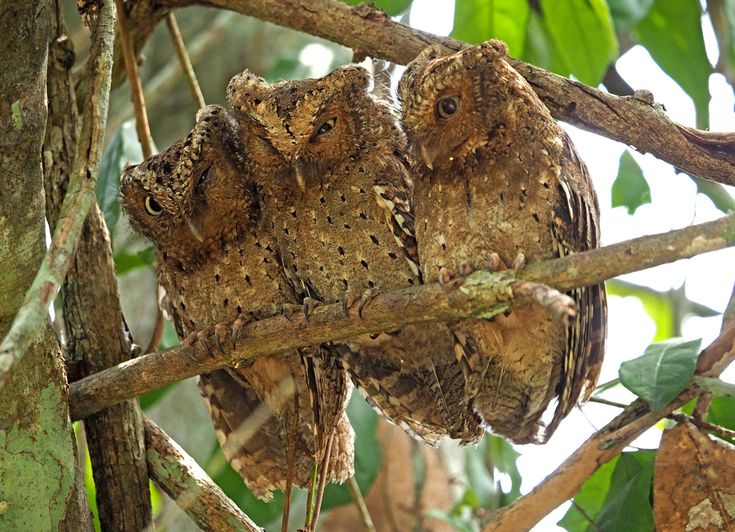
After an early morning breakfast, then depart for Samburu National Reserve by driving north, crossing the equator. Here we a unique bird species such as Buff Crested bustard, Chestnut weaver, Kori bustard, Golden palm weaver, Golden breasted starlings, Water thicknee, among others. There is unique northern wildlife which are not found in any other part south of the equator. Here you will find the Grevy zebra, Beisa Oryx, Reticulated Giraffe, Somali Ostrich, the long-necked gerenuk, herds of elephants, and their predators abound. The life-giving Uaso
Nyiro River plays a major role in the ecosystem of this region. Overnight, tonight will be served the lodge.
Day 5: Samburu
Spend the whole day bird watching, trying to come up with a list of 400 different species found in this region. All meals & overnight at the Lodge
Day 6: Samburu – Lake Nakuru
After an early breakfast, drive south through Isiolo, crossing the northernmost foothills of Mount Kenya, until we reach Nanyuki town. Heading west, we make a brief stopover at Nyahururu Falls, still known to many as Thomson’s Falls. Proceed to Nakuru, where you will see flamingoes; more than 450 species of birds have been recorded here. The park has also been established for the protection of endangered species such as the rhino and is also home to Columbus monkeys, Leopards, Giraffes, and a variety of plains antelopes. Lunch will be served at Lake Nakuru Lodge. An afternoon game drive around the lakeshore will be the main feature for the afternoon, dinner & overnight tonight will be served at Lake Nakuru Lodge.
Day 7: Lake Nakuru
After breakfast, spend the whole day bird watching and trying to come up with the total list of 450 different species found here. Dinner & overnight tonight will be at Lake Nakuru Lodge.
Day 8: Lake Nakuru – Lake Bogoria
After breakfast, we proceed to the jewel ofthe Great Rift Valley, Lake Bogoria. Described as the “Most beautiful view in Africa” by Bishop Hannington, the lake is well known for its Hot springs and geysers, which are spread out along its southern shores. The hot sulfur water gushing out of the ground is known to have therapeutic values. These natural spas and their steam are Mother Nature’s version of a bath & sauna. After a relaxing bird walk around the lake, your lunch will be served at Lake Bogoria Hotel. Later in the afternoon, you will enjoy an extensive bird walk around the lake and the lodge environs, where we expect to find a variety of species as such as Woodland kingfisher, Northern puffback, White headed buffalo weaver, Rufous crowned roller, African golden oriole, African hoopoe,e e.t.c. Our dinner and overnight will be served at Lake Bogoria Hotel.
Day 9: Lake Bogoria – Lake Baringo
After breakfast, we drive further north to Lake Baringo, one of the leading ornithology lakes in East Africa, where more than 470 bird species call this area home. We check in at Lake Baringo Country Club, a superb and compact hotel set on the shores of Lake Baringo. Our bird walk today will feature the following rare species, e.g., White faced Scops Owl, Bristol Crowned Starling, Goliath Heron, Fan-tailed Raven, etc. A relaxing boat ride on the lake will be the feature of the afternoon. Dinner and overnight tonight will be served at Lake Baringo Country Club.
Day 10: Lake Baringo – Saiwa Swamp
Today our birding safari will depart Lake Baringo and drive towards Saiwa Swamp National Park in Kitale, the only exceptional Park in Kenya enjoyed exclusively on foot and a birding landmark. Lunch to be served in the Hotel at Kitale Town before the afternoon bird wa
lk. The birding menu for today will be Great blue turaco, Ross turaco, Ludher’s bush shrike, White capped robin chat, Grey crowned crane, etc. Dinner and overnight stay at a Hotel in Kitale Town.
Day 11: Saiwa Swamp – Kakamega Forest
Depart to Kakamega Forest, covers an area of 240sq.km is a living remnant of the original equatorial rainforest, which once extended from Guinea in the west, to East and Central Africa for a fulfilling and eventful day of bird watching in this only & unique remaining rain forest with some of very rare and spectacular bird species in the world e g Grey Parrot, Great blue and Black billed turacos, blue headed bee eaters, Turner’s eremomela, Little grey greenbul etc. if one of your ambitions is to experience the enchanting mystery of the jungle,….the melody of singing birds, the breeze whispering trees, the croaking frogs, the rasp of butterflies as they fly on by, the cheeky monkeys as they swing from branch to branch…All meals at the Hotel. Dinner and overnight tonight will be served at Kakamega Golf Hotel.
Day 12: Kakamega Forest – Lake Victoria
A morning lecture on the birds of this small forest which harbour’s over 380 different plant species, 50 of which have traditional medicinal value, some endemic animal species, 400 butterfly species and 330 bird species at an altitude of between 1500-1700m followed by a walk to try and identify the available rare species of this equatorial forest. Lunch at Kakamega Golf Hotel followed by a short drive to Lake Victoria, where we will do a late afternoon birding around the lake for freshwater bird species, e.g., African open-billed stork, Swamp flycatcher, Red chested sunbird, Hammerkop, Eastern grey plantain-eater, etc. Dinner and overnight tonight will be served at the Sunset Hotel.
Day 13: Kisumu – Lake Naivasha
Today, after an early breakfast, our safari will be destined for Lake Naivasha, the only freshwater lake in the Rift Valley. From the top of the Rift Valley escarpment, you can see the lake sparkling under the sun thousands of feet below you. The lake is home to a large colony of hippos and it’s also a Mecca for bird watchers and researchers since over 400 different species of birds have been recorded here e.g. Long toed plover, Great white egret, Grey headed gull, Southern pochard, Red billed teal, and not to mention the Lilly trotter. The lake location and wildlife make it an ideal place for an afternoon boat ride. A visit to the liberating Crescent Island, which is completely undeveloped, wild, and free, is one of the few places on earth where you can wander/walk on foot among herds of zebra, wildebeest, gazelle, giraffe, and dik-diks. There are no predators and no fences, so it will be quite a liberating and exciting feeling to walk among the wildlife. Lunch will be served at the tranquil Lake Naivasha Country Club. Dinner and overnight tonight will be served at Lake Naivasha Country Club.
Day 14: Lake Naivasha – Hell’s Gate
After breakfast, a morning bird walk with the aim of viewing birds on the shores of the Lake, with a few hours of relaxation before lunch. Afternoon visit to Hell’s Gate National Park, which is a breeding ground for vultures in Kenya, e.g., Lammergeyer vultures. Dinner & overnight tonight will be served at Lake Naivasha Country Club.
Day 15: Lake Naivasha – Masai Mara
Today, our safari expedition will take us to the jewel of Kenya’s parks, the world-famous Masai Mara Game (Wildlife) Reserve. This is Kenya’s number one park and is always on every bird watcher’s and wildlife tourist’s “Must see list”. Full of life with various types of animals and birds, Masai Mara crowns the climax of every safari in Kenya. Its rolling grasslands and acacia savannah have time and again been captured on film, with the movie “Out Of Africa” being the most famous. Masai Mara is home to the “Big Five” (Elephant, Buffalo, Lion, Leopard, and Rhino) and over 450 bird species as such as Bare-faced go away bird, Hooded vulture, Egyptian vulture, Flappet lark, Red necked fowl, White necked raven, etc. Apart from the big five, the Masai Mara is most famous for the spectacular annual migration of over a million wildebeest, zebra, gazelle, etc, from the Serengeti in northern Tanzania, crossing the Mara River into Kenya in search of fresh feeding grounds, which takes place in late July or August. Dinner & overnight tonight will be served at the lodge.
Day 16 & 17: Maasai Mara
An early morning birding cum game drive after breakfast will be our perfect start to another unforgettable birding day in Africa. With picnic lunch en route, you spend your day in Mara Plains trying to identify and record the over 450 species recorded in this reserve. All meals and overnight tonight will be served at the lodge.
Day 18: Nairobi
Morning game drive, then depart for Nairobi, arriving in the late afternoon. Dinner and overnight in a hotel.
Day 19: Nairobi – Amboseli
After an early morning breakfast, we proceeding to Amboseli beautifully situated beneath the foot of Africa’s highest mountain Mt. Kilimanjaro (5895m), the park is well renowned for its huge herds of elephants and various types of other Savannah wildlife such as Giraffes, Bushbuck’s, Kudu, Warthog’s, Zebra’s and over 425 species of birds recorded here such as White faced whilsting duck, Brown snake eagle, Yellow billed stork, Woolly necked stork, Shikra, Helmented guinea fowl, African cuckoo e.t.c. The snowcapped peak of Kilimanjaro rising above white clouds dominates every aspect of Amboseli and forms a backdrop to an impressive display of wildlife attracted to this location by swamps and springs fed by underground rivers from Kilimanjaro’s melting snow. With an airstrip at Empusel Gate, the park is also home to the Masai people, those tall, brave, and proud nomads who live in close harmony with the environment and the wildlife that surrounds them. Enjoy a birding game drive en route, as we arrive in time for your dinner at the Lodge.
Day 20: Amboseli
After breakfast, it will be the perfect time for photographing the humbling and magnificent Mt. Kilimanjaro, the highest peak in Africa. With picnic lunch, you depart your lodge for a full-day birding section with our eagle-eyed birding guide. Please take this opportunity to add a new species to your birding list. Dinner and overnight tonight will be served at Ol-Tukai Lodge.
Day 21: Amboseli – Tsavo West
After breakfast, drive to Tsavo West with an en route birding where the habitat is a relatively dense thicket of savanna dominated by acacia-Commiphora bushland with Baobab, grassy plains, riverine woodland, and the Mzima Springs. The park is also famous for the autumn bird ringing at the Ngulia Safari Lodge, with thousands of European and Asian Palearctic migrants on their way south. Overnight at Ngulia Safari Lodge.
Day 22: Tsavo West National Park- Taita Hills Forest- Voi
We bird in the park en route heading for Taita Hills Forest, where we hope to see endemics “Taita Three” Apalis, White-eye, and Thrush. Other specialties include Striped Pipit, Yellow-throated Woodland Warbler, and Striped-cheeked Greenbul. Overnight at Ngutuni Lodge.
Day 23: Tsavo – Shimba Hills
After a leisurely morning breakfast, depart for Mombasa either driving or arriving in Mombasa at mid-morning hours, and later be transferred to Shimba Hills National Reserve, located 48 km from Mombasa town. The reserve is the last remaining habitat of the rare Sable Antelope in East Africa, a treat you may not want to miss!! The hills have a heterogeneous mosaic of vegetation, including grassland, scrub, and exotic plantations as well as forest. Certainly holds one of the largest areas of coastal forest in East Africa after the Arabuko Sokoke Forest. Here, globally threatened species, restricted-range species, East African Coast biome species occur here among them, Southern banded Snake Eagle, Fischer’s Turaco, Spotted Ground Thrush, Sokoke Pipit, East Coast Akalat, Plain Backed Sunbird, Ayres’s hawk Eagle, Crowned Eagle, African Pitta, little Yellow Flycatcher, Mangrove King fisher, Eastern Green Tinker bird, Tiny greenbul, Chestnut-fronted Helment Shrike, Green headed Oriole among many more. Lunch at the lodge. All meals at the lodge.
Day 24,25,26: Shimba Hills – Arabuko Sokoke Forest (Nature Walk (Hiking) and Cycling In Arabuko Sokoke)
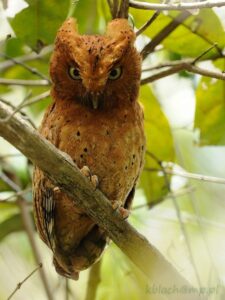
After an early morning breakfast, proceed with our safari to the Arabuko-Sokoke forest. Has an area of 41,600 ha at an altitude of 0-21m above sea level. It was proclaimed a crown forest in 1932 and gazetted in 1943, covering an area of 2,700 ha, and was added in 1968. Arabuko-sokoke has three types of habitats, namely: Mixed forest 7,000 ha, Brachystegia woodland 7,700 ha on white, very infertile soil, and Cynometra forest 11,300 ha with a canopy height of 7-8 m. Here we target species like Sokoke scops owl, Clarke’s Weaver, Amani sunbird, Ant-eater thrush, Eastern Nicator, Mombasa woodpecker, Fischer Greenbul, Pale Batis, among other globally threatened species that only occur in this forest. All meals, dinner, and overnight will be served at the beach hotel.
Day 27 & 28: Mida Creek
After breakfast, it will be the perfect time for photographing the humbling and magnificent Mangrove forest (the magical trees) of Mida Creek. Mida Creek has an area of 26100 ha and stretches for almost 40 km along the seashores, and it’s a fascinating world of cultures to discover, lying at 0-10 m above the sea level. The area comprises a complex of marine and tidal habitats on Kenya’s north coast, stretching from just south of Malindi town southwards to beyond the entrance of Mida Creek. Habitats include intertidal rock, sand, and mud, fringing reefs and coral gardens; beds of sea grass; coral cliffs, platforms, and islets; sand beaches; and mangrove forests. The dunes are a great workout to build leg muscle, and the tiny sand granules are fantastic as they massage every nerve of your foot – it’s natural reflexology. Our species of focus will include, among others, the Crab plover, Terek Sandpiper, Mangrove kingfisher, Greater Sand plover, Eurasian Oystercatcher. All meals, dinner, and overnight will be served at the beach hotel.
Day 29: Malindi- Nairobi
Fly to Nairobi to connect with your international flight.
Included:
- Park fees (For non-residents)
- All activities (Unless labeled as optional)
- All accommodation (Unless listed as an upgrade)
- A professional driver/guide
- All transportation (Unless labeled as optional)
- All Taxes/VAT
- Round-trip airport transfer
- Meals (As specified in the day-by-day section)
- Drinks (As specified in the day-by-day section)
Excluded:
- International flights (From/to home)
- Additional accommodation before and at the end of the tour
- Tips (Tipping guideline US$10.00 pp per day)
- Personal items (Souvenirs, travel insurance, visa fees, etc.)
- The government imposed an increase in taxes and/or park fees