Gedi Ruins
Gedi Ruins: Kenya’s Premier Medieval Archaeological Wonder
Step back in time at the magnificent Gedi Ruins, one of East Africa’s most significant
medieval archaeological sites. Located near Kenya’s stunning Indian Ocean coast in Kilifi County,
these remarkably preserved Swahili ruins offer an extraordinary journey through six
centuries of coastal civilization and international trade.
Historical Significance of Gedi Ruins
Medieval Swahili Trading Empire
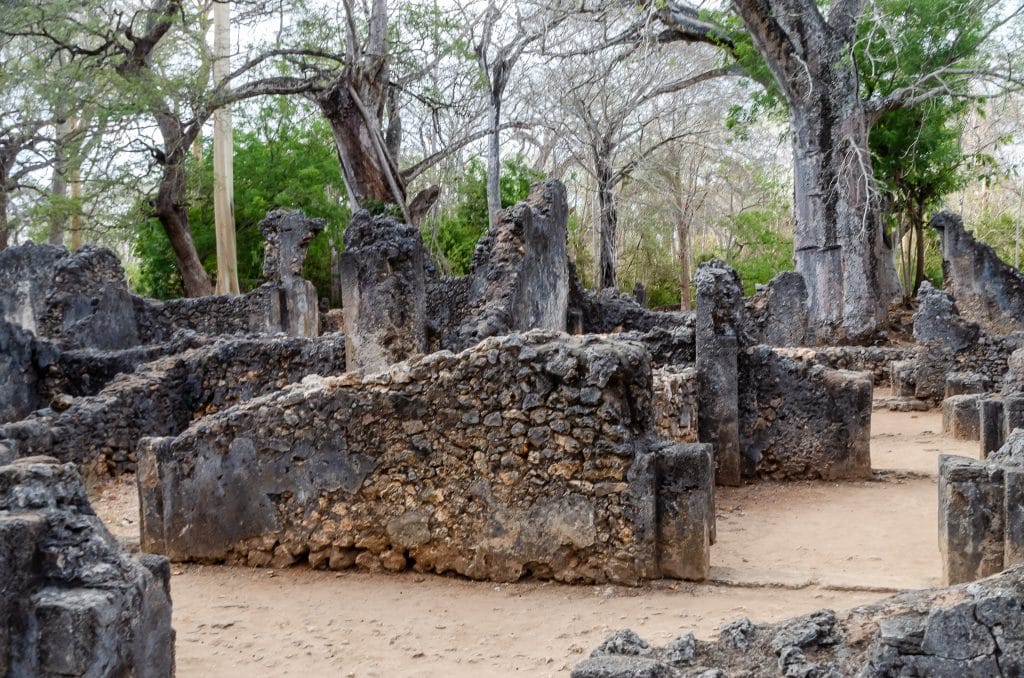
Gedi Ruins Kenya, represent one of the most important medieval Swahili settlements along
the East African coast. This archaeological treasure was part of an extensive network of 116 known
Swahili sites stretch from Barawa, Somalia, to Vumba Kuu at the Kenya-Tanzania border, and
as far south as the Zambezi River in Mozambique.
Archaeological Importance
Since rediscovery by colonial archaeologists in the 1920s, Gedi archaeological site has become
one of the most intensively excavated and studied locations in East Africa, alongside other significant sites, including
- Shanga Island ruins
- Manda Island archaeological site
- Ungwana ruins
- Kilwa Kisiwani (Tanzania)
- Comoros Islands sites
Timeline of Occupation
Archaeological evidence reveals Gedi’s remarkable history:
- 11th Century: Earliest settlement establishment
- 13th-15th Century: Peak prosperity and expansion
- 16th Century: Continued occupation and trade
- Early 17th Century: Mysterious abandonment
- 1920s: Modern rediscovery and archaeological study
Architectural Marvels & Site Features
Impressive Stone Structures
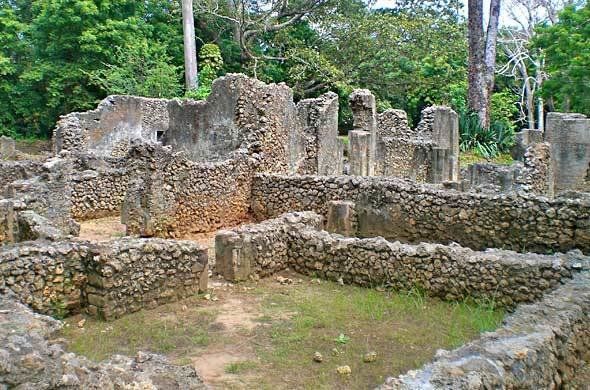
The Gedi ruins showcase exceptional medieval Swahili architecture featuring:
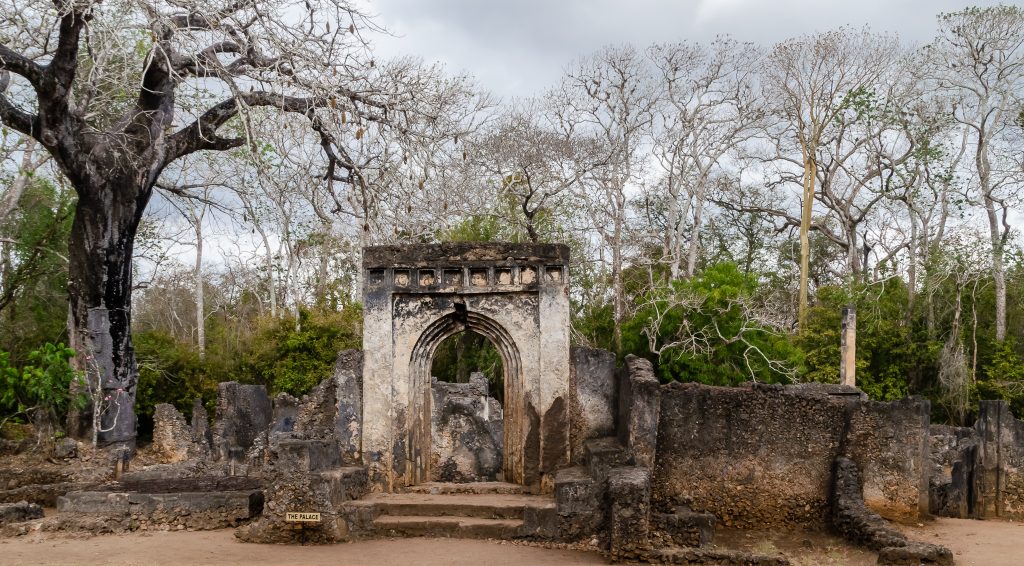
The Great Palace:
- Multi-room royal residence with audience halls
- Sophisticated drainage and sanitation systems
- Ornate decorative elements and geometric patterns
- Strategic positioning overlooking the settlement
Historic Mosques:
- Great Mosque: Central place of worship with mihrab
- Small Mosque: Community prayer facility
- Palace Mosque: Private royal worship space
- Islamic architectural elements and Quranic inscriptions
Residential Architecture:
- Stone houses with multiple rooms and courtyards
- Advanced urban planning and street layouts
- Wells and water management systems
- Storage facilities and commercial areas
Distinctive Swahili Features
Pillar Tombs: Unique architectural elements found throughout the Swahili Coast,
these stone monuments mark important burial sites and demonstrate the sophisticated funeral
traditions of medieval Gedi society.
Urban Planning: The walled town design shows advanced city planning with designated areas for:
- Residential quarters for different social classes
- Commercial and craft production areas
- Religious and ceremonial spaces
- Agricultural and open community areas
Archaeological Treasures & Discoveries
International Trade Evidence
Excavations at Gedi archaeological site have revealed extensive evidence of Indian Ocean trade connections:
Imported Artifacts:
- Chinese Porcelain: Ming dynasty ceramics demonstrating Far East trade
- Persian Pottery: Glazed ceramics from modern-day Iran
- Islamic Coins: Currency from various Muslim empires
- Venetian Beads: European trade goods via Middle Eastern merchants
- Indian Glass: Decorative items from the Indian subcontinent
Local Craftsmanship:
- Locally produced pottery and ceramics
- Iron tools and weapons
- Copper and bronze ornaments
- Traditional Swahili architectural elements
Cultural Insights
Archaeological findings provide remarkable insights into medieval Swahili life:
- Social Stratification: Evidence of wealthy merchant classes
- Religious Practices: Islamic influences alongside local traditions
- Economic Activities: Craft production, agriculture, and trade
- Daily Life: Household items, cooking utensils, and personal belongings
Natural Setting & Environment
Arabuko-Sokoke Forest Location
The Gedi ruins Kenya are uniquely situated within the Arabuko-Sokoke Forest, Kenya’s
largest indigenous coastal forest, creating an extraordinary combination of:
Ecological Significance:
- Rare and endemic plant species
- Indigenous coastal forest ecosystem
- Wildlife habitat, including elephants and rare birds
- Traditional medicinal plants used by local communities
Mystical Atmosphere: The forest setting adds an enchanting dimension to your visit.
- Dappled sunlight filtering through ancient trees
- Natural sounds of forest wildlife
- Cool, shaded pathways between ruins
- Mysterious ambiance enhances historical exploration
Guided Tour Experience
Expert Archaeological Interpretation
Our professional tour guides provide comprehensive insights into:
Historical Context:
- Medieval Swahili civilization and culture
- Indian Ocean trade networks and economics
- Islamic influence on the East African coast
- Comparison with other Swahili archaeological sites
Archaeological Discoveries:
- Excavation techniques and findings
- Artifact interpretation and significance
- Ongoing research and new discoveries
- Conservation efforts and challenges
Cultural Understanding:
- Local Mijikenda community connections
- Traditional beliefs and folklore about the Gedi ruins Kenya.
- Modern archaeological methods and techniques
- Site preservation and heritage management
Self-Guided Exploration
Well-marked pathways and informational signage allow for independent exploration:
- Detailed site maps and building identification
- Historical timeline displays
- Architectural feature explanations
- QR codes for additional digital content
All-Inclusive Tour Package
Comprehensive Service Inclusions
Transportation Services:
- Round-trip Transport: Comfortable vehicle from coastal accommodations
- Professional Driver: Experienced in local transportation
- Scenic Route: Journey through coastal landscapes and local villages
Site Access & Guidance:
- Entry Fees: All site access charges and permits included
- Professional Archaeological Guide: Expert knowledge of Gedi’s history
- Historical Interpretation: Detailed explanations of ruins and findings
- Cultural Context: Understanding of Swahili civilization
Refreshments & Comfort:
- Fresh Water: Unlimited bottled water during the tour
- Fresh Bananas: Local tropical fruit refreshment
- Rest Areas: Shaded spots for comfortable breaks
- Photography Assistance: Guide helps with optimal historical shots
Educational Value & Significance
Perfect for History Enthusiasts
Gedi Ruins tours offer exceptional educational value for:
- Students of History: Medieval African civilization study
- Archaeology Lovers: Real excavation sites and findings
- Cultural Researchers: Swahili heritage understanding
- Photography Enthusiasts: Historic architecture and forest settings
UNESCO World Heritage Potential
While not yet designated, Gedi Ruins Kenya, possesses characteristics that align with UNESCO World Heritage criteria:
- Outstanding universal value of the Swahili civilization
- Authentic archaeological integrity
- Significant contribution to understanding medieval Africa
- Educational and scientific importance
Planning Your Visit
Best Time to Visit
- Year-Round Accessibility: Site open throughout the year
- Cool Morning Hours: 8:00 AM – 11:00 AM for comfortable exploration
- Dry Season (December-March): Optimal weather conditions
- Forest Atmosphere: Cool temperatures under the forest canopy
What to Expect
- Walking Distance: Approximately 2-3 kilometers of pathways
- Duration: 2-3 hours for comprehensive exploration
- Terrain: Well-maintained paths with some uneven stone areas
- Climate: Cool forest environment with filtered sunlight
Book Your Gedi Ruins Adventure
Discover why Gedi Ruins Kenya is considered one of East Africa’s most important archaeological sites. This remarkable medieval settlement offers unique insights into Swahili civilization, international trade networks, and the sophisticated urban planning of coastal Kenya six centuries ago.
Ideal for:
- History and archaeology enthusiasts
- Educational group tours and school visits
- Cultural heritage explorers
- Photography lovers seeking historical subjects
- Anyone interested in Kenya’s rich medieval past
Contact & Booking Information
Join us for an unforgettable journey through Kenya’s medieval past at the Gedi archaeological site. Our all-inclusive tours combine expert historical interpretation with comfortable transportation and refreshments, ensuring a comprehensive and enjoyable exploration of this remarkable Swahili heritage site.
Experience Gedi Ruins kenya – Where medieval Swahili civilization comes alive in Kenya’s most significant archaeological treasure.