Is Kenya Safe for Safari? 2025 Travel Advisory & Expert Safety Tips
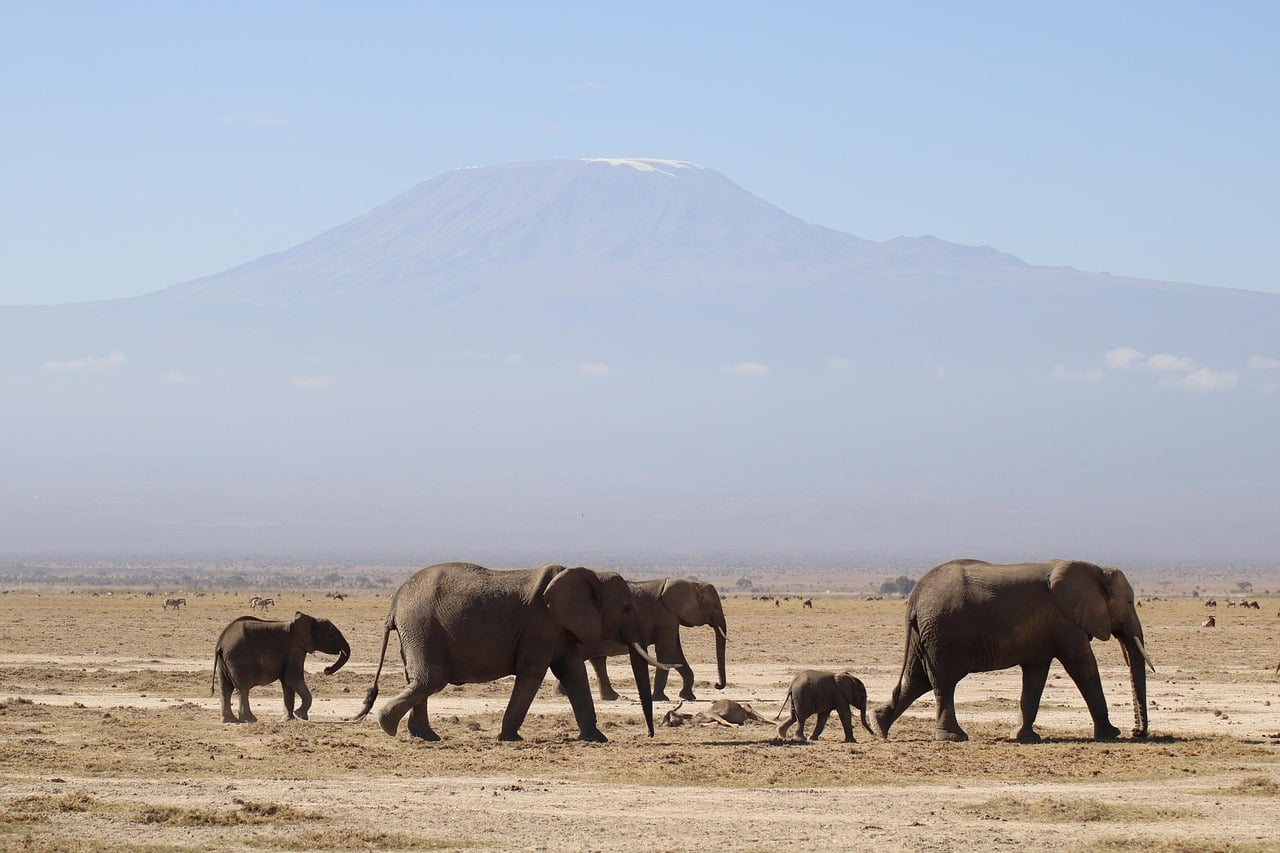
If you’re dreaming of seeing lions in the wild or watching elephants roam against the backdrop of Kilimanjaro, Kenya is probably on your list. But one of the first questions many travelers ask is: “Is it safe?“
Is Kenya Safe for Safari? The short answer? **Yes, Kenya is safe for safari travel—**especially if you follow expert advice, stay in the right areas, and use trusted operators.
This guide breaks down everything you need to know to enjoy a secure, stress-free, and unforgettable Kenyan safari in 2025.
1. What the 2025 Travel Advisories Say
Travel advisories can sound scary, but they don’t always reflect conditions in tourist hotspots. Here’s what key countries are currently advising:
| Country | Advisory Level | Details |
|---|---|---|
| USA | Level 2 – Exercise Increased Caution | Avoid Eastleigh (Nairobi) and the Somali border area |
| UK | Similar to USA | No restrictions on national parks |
| Canada | Level 1 – Normal Precautions | Tourist zones seen as well-secured |
The Good News:
Top safari destinations like Maasai Mara, Amboseli, Samburu, and Laikipia have no travel warnings and are heavily patrolled, well-organized, and secure.
“Parks like Mara and Amboseli are as safe as any national reserve in Europe.” — Kenya Tourism Board
2. Health & Medical Safety: What You Need to Know
Recommended Vaccines
-
Yellow Fever – Required if coming from an endemic country
-
COVID-19 – No restrictions, but check your airline
-
Hepatitis A & Typhoid – Smart to have for all travelers
Malaria Advice
Malaria is still a risk in some parts of Kenya, but it depends on where you’re going.
-
High-risk zones: Coastal areas like Diani, Malindi, and Western Kenya
-
Low-risk zones: Nairobi, Mount Kenya, Laikipia, Aberdare
Pro Tip:
“Take Malarone or Doxycycline and pack insect repellent with DEET. Avoid dark clothes in parks—tsetse flies are attracted to them.” — Dr. Wanjiku, Nairobi Travel Clinic
3. Wildlife Safety: Smart Rules for Game Drives
It’s easy to get caught up in the magic of being close to animals—but that’s exactly why you need to follow the rules.
✅ DO:
-
Stay inside your vehicle during game drives
-
Always listen to your guide—they know animal behavior
-
Keep your voice low and movements minimal during sightings
❌ DON’T:
-
Never approach animals on foot, even if they seem calm
-
Don’t feed wildlife—it’s illegal and dangerous
-
No selfies with animals—it’s not worth the risk
Real Talk:
“A tourist was fined $500 in Tsavo West for approaching a buffalo for a selfie. Buffalo are unpredictable and deadly.” — Kenya Wildlife Service Report
4. Where It’s Safe (and Not Safe) to Travel in Kenya
Top Safari Zones You Can Count On:
-
Maasai Mara – Well-guarded and developed for tourism
-
Amboseli – Clean, secure, and easy to access
-
Samburu & Laikipia – Remote, scenic, and highly rated for safety
Places to Avoid (2025 Update):
-
Eastleigh (Nairobi) – Known for petty theft and scams
-
Northern Kenya near the Somali border – Still under kidnapping and terrorism advisories
Insider Advice:
“Stick to Kenya Wildlife Service (KWS)-registered parks and certified lodges. They have 24/7 patrols and emergency response systems.”
5. Common Tourist Scams & How to Avoid Them
Kenya is generally welcoming, but like any tourist destination, scams exist—especially in cities like Nairobi and Mombasa.
Watch Out For:
-
“Free safari” offers – Usually a bait-and-switch. Use licensed operators only.
-
Fake tour guides – Always ask for a valid KWS license or badge.
-
Souvenir mark-ups – Bargain hard at markets. A good rule is to start at 50% of the asking price.
Red Flags to Avoid:
-
Anyone asking for large cash tips upfront
-
Lodges not listed on official tourism or KWS websites
-
Guides pushing last-minute “add-ons” at inflated prices
6. Safety for Solo and Female Travelers | Is Kenya Safe for Safari?
Kenya is increasingly popular with solo travelers, including women. With the right steps, it’s a very rewarding trip.
Quick Tips:
-
Choose group safaris from established operators
-
Avoid walking alone at night in towns
-
Dress modestly, especially in Muslim areas like Lamu
-
Share your itinerary with someone you trust
Recommended for Women:
-
Heritage Hotels Kenya – Offers female-guided tours
-
Safari Doctors – Coastal medical outreach program in case of emergencies
7. Final Verdict: Is Kenya Safe for Safari in 2025?
| Risk | Prevention |
|---|---|
| Wildlife | Stay in the vehicle and follow guide rules |
| Malaria | Take anti-malarials and use mosquito nets |
| Theft | Use safes, don’t flash valuables |
| Transport | Book private transfers, avoid matatus |
Bottom Line:
Kenya’s safari destinations are safe, secure, and well-managed—as long as you follow simple precautions. Most issues happen when people ignore the rules, wander into the wrong neighborhoods, or fall for shady deals.
Thousands of travelers visit Kenya every year without incident—and most come back for more.
Your biggest risk? Falling in love with the place and never wanting to leave.
✅ Ready to Book Your Safari?
Get our 2025 Safari Safety Checklist or speak to one of our Kenya Classic Tour Travel-trained guides to plan your trip with confidence.
Need help choosing a destination or operator?
Drop us a message—we’ll connect you to the best.